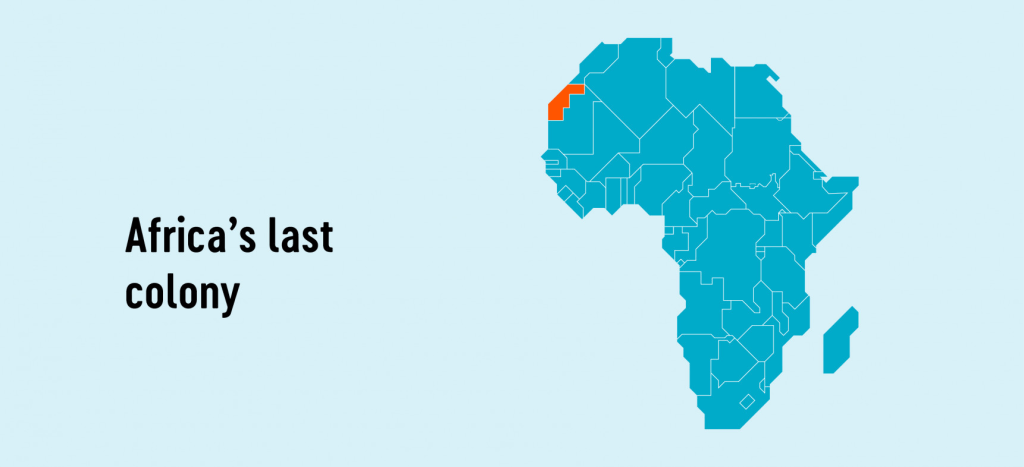
Western Sahara is often called Africa’s last colony and also a forgotten conflict. On March 18th we had a visitor in class, Asria Taleb, from the Norwegian Support Committee for Western Sahara, who talked about the Morroccan occupation, life in Algerian refugee camps, the part of the UN in this conflict, and the media coverage.
Write a blog post about what you learned about this conflict and activism to support the Sahrawi people in their struggle for independence. Had you heard about the conflict before? If yes, what and where? If no, why do you think that is? Comment on the lack of media attention for this conflict and see if you can find any newspapers reporting anything about Western Sahara – if so – what?
You have now watched two documentaries about social media and how it can be used to influence people without them even knowing it. Write a blog post where you briefly summarize what they were about and compare the two documentaries in terms of genre and form. Which of the two did you like the best, or did you feel you learned the most from? Give reasons for your answer.
Write a blog post where you discuss the question above. Practice your argumentative skills, try to look at more than one side and use examples/explanations to emphasize the points you make.
Finish your blog post and post on your blog by Monday, Oct. 2nd.
Durig the last few weeks the war in Ukraine has been all over the news – rightfully so… but what is getting lost when so much focus is on this conflict? Here a couple of items I don’t think we should miss out on:
One of very few women ever to lead a national football organization, Norwegian Lise Klaveness spoke to the FIFA Congress in Quatar last week about human rights violations. She talked about the importance of helping migrant workers in Qatar, do more to protect LGBTQ+ supporters at the World Cup, and more in general to make the global game welcoming to all. According to The Guardian, 6500 migrant workers have died in Quatar since they were awarded the World Cup in 2010. In the past 10 years, Qatar has put in place a massive building program, preparing for the football tournament in 2022. In addition to seven new stadiums, dozens of major projects have been completed or are under way, including a new airport, roads, public transport systems, hotels as well as a new city, which will host the coming World Cup final.
See the full speech below:
Another important news item regarding human rights violations came, not unexpectedly, from Taliban-ruled Afghanistan. “Following a U-turn over re-opening girls’ secondary schools in Afghanistan on Wednesday, the UN human rights chief shared her “profound frustration and disappointment” that six months after the Taliban seized power, high school girls have yet to return to the classroom.” Read the UN report here:
“Millions of secondary-school girls around Afghanistan woke up hopeful today that they will be able to go back to school and resume their learning. It did not take long for their hopes to be shattered.” statement by @unicefchief
After having watched the two videos above, write a blog post where you summarize the content briefly. Then explore one of these issues – the most urgent and/or interesting one to you – and explain why you think so.
Girl Rising is a film about the benefits of educating girls. It introduces nine girls from around the world in their struggle to get an education and achieve their dreams.
As we watch the film, take notes, as you are to to discuss the film in your groups afterwards. Also, take a note of violations of human rights that you see in the film.
Discussion questions:
Which girls’ stories made the greatest impression on you? Why?
“One girl with courage is a revolution”. After watching the film, what does that phrase imply – do you agree or can you think of a better catchphrase?
Girl Rising is neither pure journalism, nor fiction. The filmmakers have tried to go beyond the facts into the human experience. Did you find yourself getting lost in the stories in a way that was interesting or effective? Why or why not?
The girls of Girl Rising live in very difficult circumstances. Give examples of violations of their human rights as they are portrayed in the film. Despite these violations, they do not consider themselves as victims. Are you able, through the storytelling, to relate to their lives in a way that lets you empathize rather than sympathize? Why or why not?
What are the messages from the film that you think will resonate most strongly with people who are not already familiar with this issue?
The United Nations was founded in 1945, to maintain international peace and security, develop friendly relations among nations and promote social progress, better living standards and human rights. In 1948, the United Nations passed the Universal Declaration of Human Rights.
Discuss in your groups: Which articles do you find the most important or interesting? Are there rights which should be added, do you think? Which one(s) do you think are most often violated? Which ones have you come across being violated in the class work we have done so far?
Study the two news stories below to find out more about the situation for women and girls in Afghanistan now that the Taliban is back in power.
Discuss: what do the two stories tell you about the situation for females in Afghanistan, past and present? What do girls and women have to face should they want to study? Do these stories make you more pessimistic or more optimistic on the behalf of Afghanistan’s future? Why?
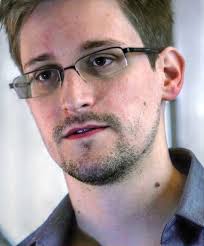
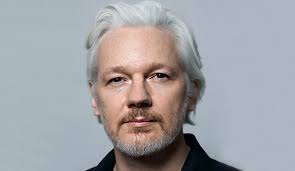
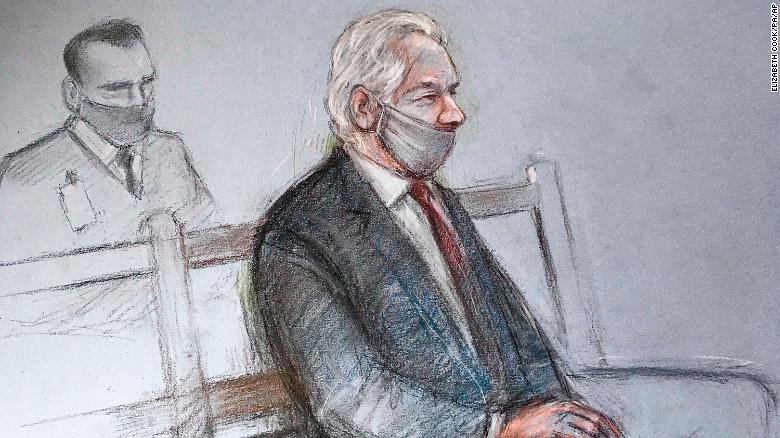
Julian Assange is the head of WikiLeaks and faces a harsh prison sentence in the USA if he were to be extradited from Britain. He released over 750,000 documents which showed corruption and human rights abuse at the hands of the American government in Iraq and Afghanistan, as well as at the prison camp on Guantánamo. The documents were given to him by private Chelsea Manning, who was arrested in 2010 and served 7 years in prison. Just yesterday, a British court decided against extraditing Assange, on the grounds of his mental health. Edward Snowden is a former contractor for the National Security Agency who in 2013 transmitted to journalists 1.7 million classified documents detailing NSA online surveillance of American citizens. He was charged under the Espionage Act, but gained asylum in Russia.
So, are these people heroes or criminals? How crucial is it for a democracy to have whistleblowers? And where is the line between warning the public and exposing wrongs on the one side and breaking the law and putting your country at risk on the other? What is more important, freedom of speech and the right to privacy, or loyalty to your employer and country? And what costs does this come with for the individual who has to make that choice?
A court sketch of Julian Assange at the Old Bailey in London for the ruling in his extradition case on Monday, January 4, 2021.



 English 1