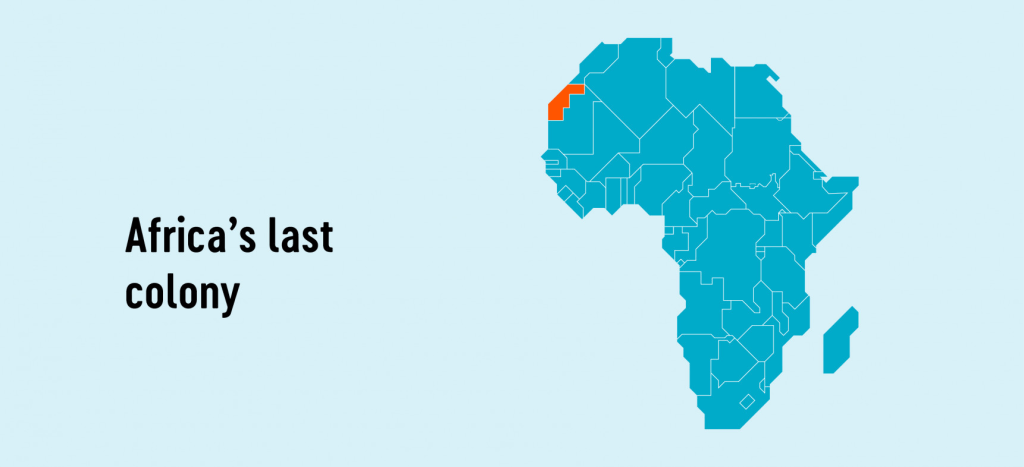
Western Sahara is often called Africa’s last colony and also a forgotten conflict. On March 18th we had a visitor in class, Asria Taleb, from the Norwegian Support Committee for Western Sahara, who talked about the Morroccan occupation, life in Algerian refugee camps, the part of the UN in this conflict, and the media coverage.
Write a blog post about what you learned about this conflict and activism to support the Sahrawi people in their struggle for independence. Had you heard about the conflict before? If yes, what and where? If no, why do you think that is? Comment on the lack of media attention for this conflict and see if you can find any newspapers reporting anything about Western Sahara – if so – what?
You have now seen the film “The Good Lie” (2014), about four Sudanese refugees starting life in the US. Write a blog post, where you include the following:
what can be possible challenges of living in a foreign culture?
what role can intercultural communication play?
Use examples from the film to emphasize the points you make. Publish your post by Monday Sept. 11th.
This year’s OD Project support young refugees from South Sudan. Visit this site: https://www.od.no/pushgrensene to learn more about the project. What do you learn about the country South Sudan and the challenges people are faced with there? Why have many people fled to the neighbour country, Uganda? What are some of the problems they are faced with there? What is the OD Project going to help with?
Write a blog post where you argue why Norwegian students should take part in this year’s OD Project.
Discuss what they tell you about the issues of migration and refugees. What thoughts do these texts provoke in you?
Warshan Shire has said it is important to her to “tell the stories of those people, especially refugees and immigrants, that otherwise wouldn’t be told, or told inaccurately.” What do you think she means by this? Does she succeed in doing so with her poem? Give examples from the text. Can you find similar examples from the other text you read?
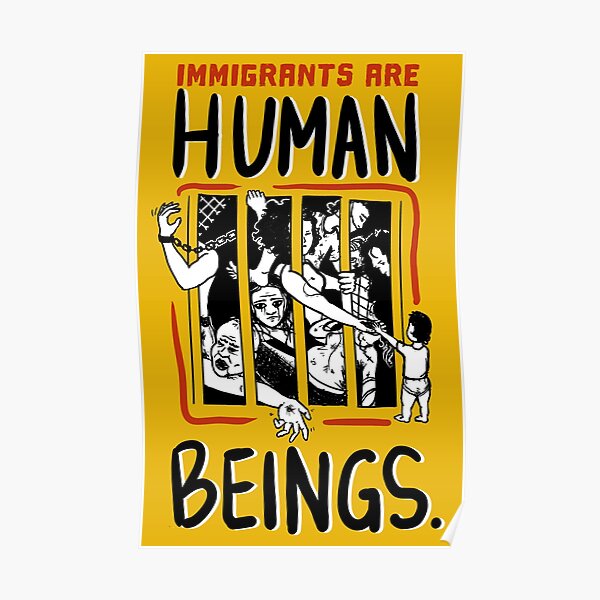
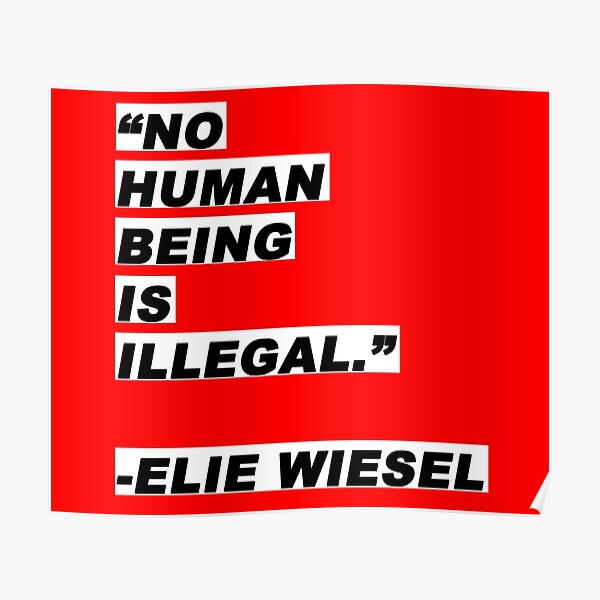
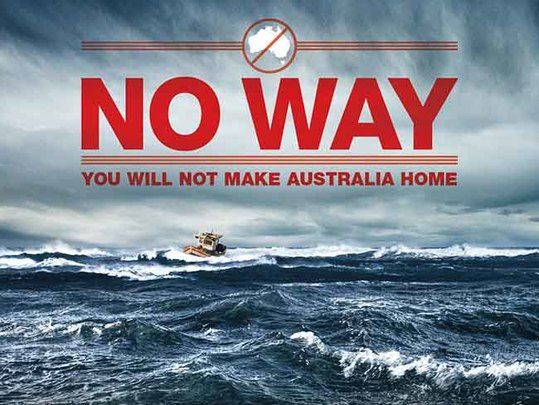
4. Immigrant Posters: Discuss these posters and the message they send:
According to UNHCR, there are 70,8 million refugees in the world today. The biggest refugee camp is in Bangladesh and houses the approximately 630,000 Rohingyas who are considered one of the most persecuted people. A people with no future, little hope and a life in limbo.
In the “Ultimate Safari”, Nadine Gordimer tells a story of a group of people that has to flee because of war and conflict.
We have also heard about the people of West Sahara and their sufferings, being forced from their homes to live in refugee camps since the invasion of West Sahara by Morocco in 1975.
Write a blogpost in which you summarize the impressions you are left with after working with both fact and fiction. What do you think the UN can do to solve/improve the situation for the refugees/the refugee challenge? What can the world do?


 English 1